



Australian employers cut jobs in December as record-low interest rates failed to extend a surge in hiring in the previous two months. Policy makers are trying to kick-start the economy against a backdrop of stagnant wages, falling business investment and plunging commodity prices. The central bank cut rates to 2% in May and the currency has dropped from its mining-boom highs, helping industries like tourism, education and construction. Indeed, the economy recorded a surge in jobs in October and November, raising hopes it is adjusting to the unwinding of a once-in-a-century mining investment boom and weaker demand from key trading partner China. Still the magnitude of the increases brought renewed skepticism about the accuracy of the labor force data, which the Australian Bureau of Statistics has acknowledged in the past. “Although the labor market has undoubtedly improved, we suspect that recent figures may have overstated the extent of this strengthening,” Paul Dales, chief economist for Australia and New Zealand at Capital Economics, said before the release. “The data suggest that the Australian economy lost a bit of momentum ahead of the New Year.” (Bloomberg/ Michael Heath)

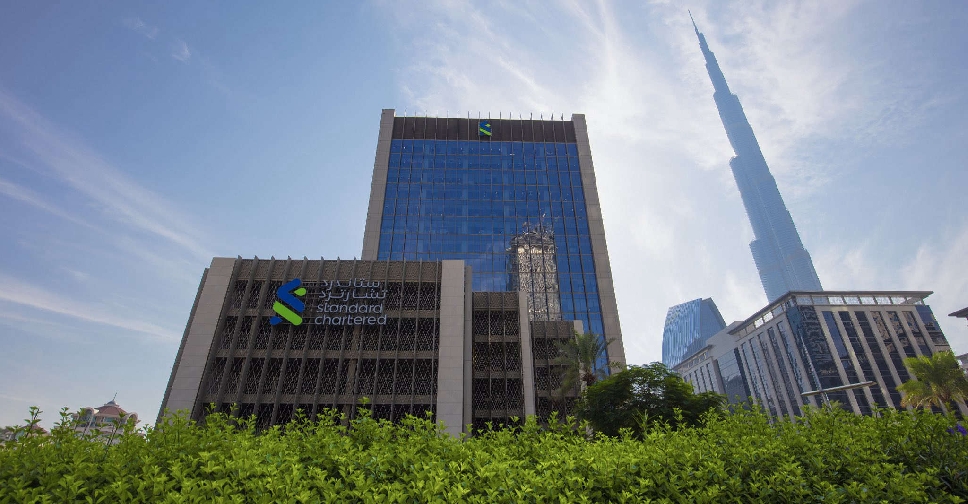 Standard Chartered issues clarification on local operations
 DP World reports record $24.4bn revenue for 2025
 IEA proposes record release of strategic stocks in response to Iran war oil price surge
 H.H. Sheikh Hamdan highlights economic resilience at Dubai Majlis