



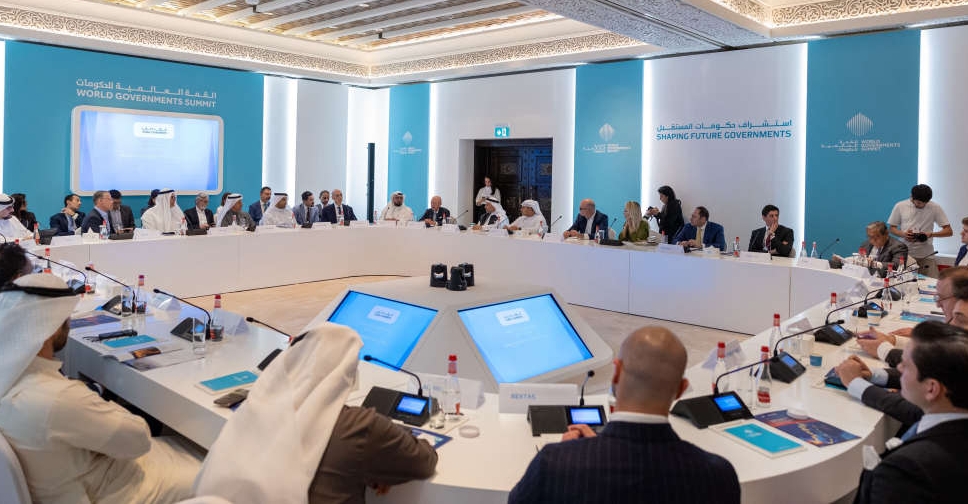
Cultural and creative industries should be treated as a core pillar of national economic strategy, according to a new report launched by FTI Consulting in partnership with the World Governments Summit.
The report, Creative Futures: The Springboard for Sustained Economic Growth and Diversification, argues that sectors such as film, music, design, gaming, architecture and digital content creation are no longer peripheral to economic planning, but central to long-term growth, innovation and global influence.
It highlights the scale of the global creative economy, valued at about $2.25 trillion in 2020, accounting for 3.1 per cent of global GDP and nearly 6.2 per cent of worldwide employment. The study also finds that every dollar invested in creative industries generates around $2.50 in wider economic output, with spillover benefits across tourism, manufacturing and urban services.
Antoine Nasr, Senior Managing Director and Head of FTI Consulting Middle East, said the findings underline a shift in how governments should approach economic diversification. “Creativity is not just a cultural asset – it is a cornerstone of national economic strategy,” he said, adding that coordinated policy, financing and talent development could unlock significant value in jobs, innovation and international standing.
The report calls for stronger cross-government coordination to turn creative potential into measurable economic impact, alongside new financing tools to support creative enterprises that often struggle to access traditional funding. It also stresses the importance of embedding creativity and entrepreneurship into education systems to build a future-ready workforce.
Creative industries, the report adds, are increasingly powerful tools of soft power, helping countries boost cultural diplomacy, expand exports and strengthen their global profile.
The authors conclude that the creative economy represents a “generational opportunity”, warning that countries which fail to act risk becoming consumers rather than producers in a rapidly evolving global cultural marketplace.

 TECOM Group posts strong 2025 results as revenues and profits rise
 Family businesses urged to rethink investment, philanthropy at Dubai summit
 UAE-Vietnam CEPA enters into force
 Indian rupee, stocks soar in relief rally after trade deal with US