


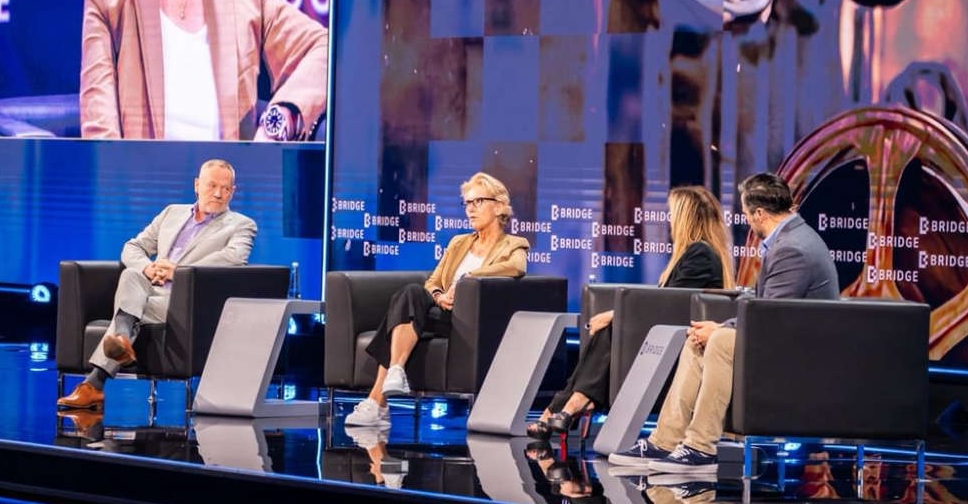
British actor Jared Harris has warned creators on the use of generative AI and its ethical risks at the BRIDGE Summit 2025 in Abu Dhabi on Wednesday, advising to focus on human narratives rather than algorithmic output.
Moderated by Patrick Caligiuri, Media Advisor at the National Media Office, the session titled “Opportunities and Challenges in the Global Picture Business” opened with a simple question - What forces will shape how films and series get made and seen over the next decade?
While the panel recognised the increasing integration of AI into development and post-production workflows, Harris raised a strong note of caution. "I am ideologically and philosophically opposed to generative AI, because unless you put another person's work into it, it can't produce anything. So on one level, it's theft."
He was also surprised by the lack of regulations toward generative AI, stating that he finds it "odd that right now everyone's running forward with it without there being any kind of code of ethics or statement of intent of how we want to progress with it. And if we don't do that soon, it's going to be too late to do it".
Referencing a video played during the Summit’s opening ceremony that depicted people gathered around a fire sharing stories, Harris reminded audiences of the enduring power of oral storytelling ,and why creators should return to that foundation.
"At the end of the day, it’s all about storytelling. And I would say if you have a story to tell, start telling it because you'll know whether or not it's a compelling story. If you're sitting with friends, talking to them, and they're passionate about a story over a dinner table, or if you're not getting it across, you need to tell it a different way, because that's all part of the journey towards actually converting it into images and then transmitting onto a screen. Start telling that story."
The session forms part of a 300+ session program that was held at the BRIDGE summit, which concluded on Wednesday at ADNEC centre in Abu Dhabi.

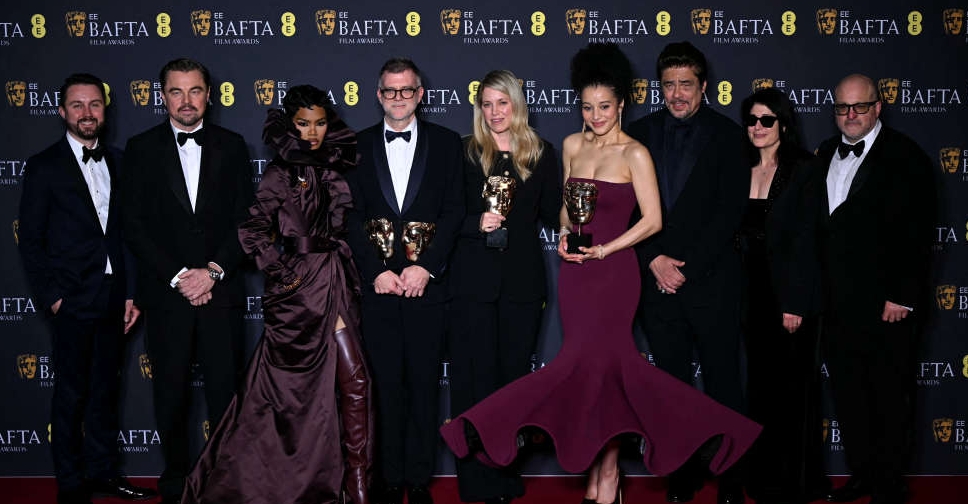 'One Battle After Another' wins big at Britain's BAFTA film awards
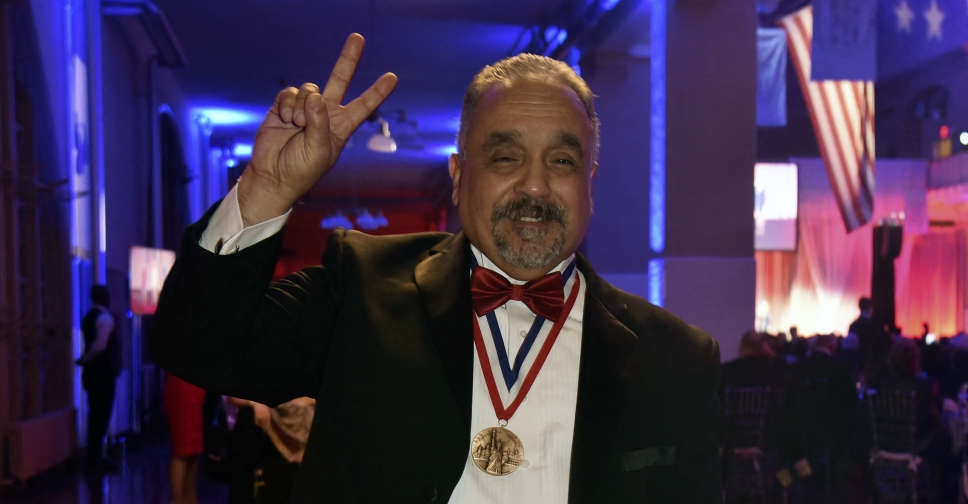 Salsa legend Willie Colón dies at age 75
 Shakira brings free concert to Mexico City in March
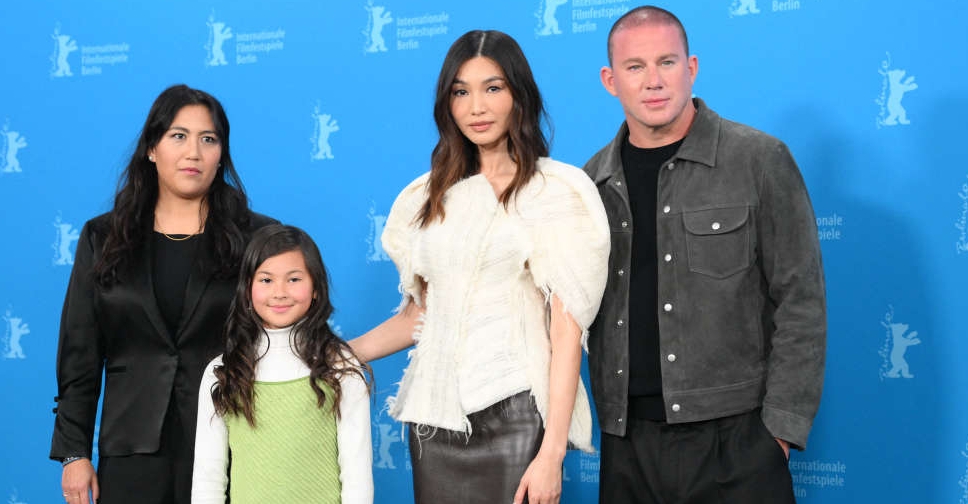 Channing Tatum draws on real-life parenting for Berlinale drama 'Josephine'