


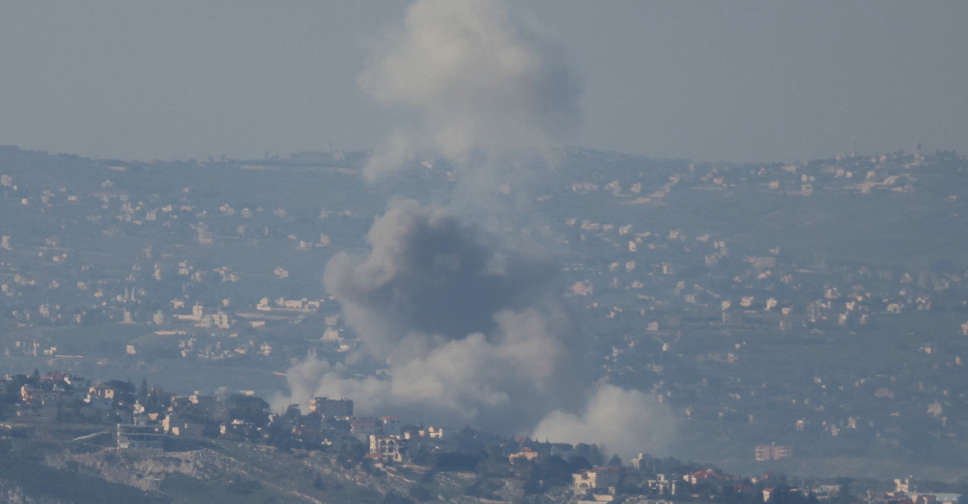
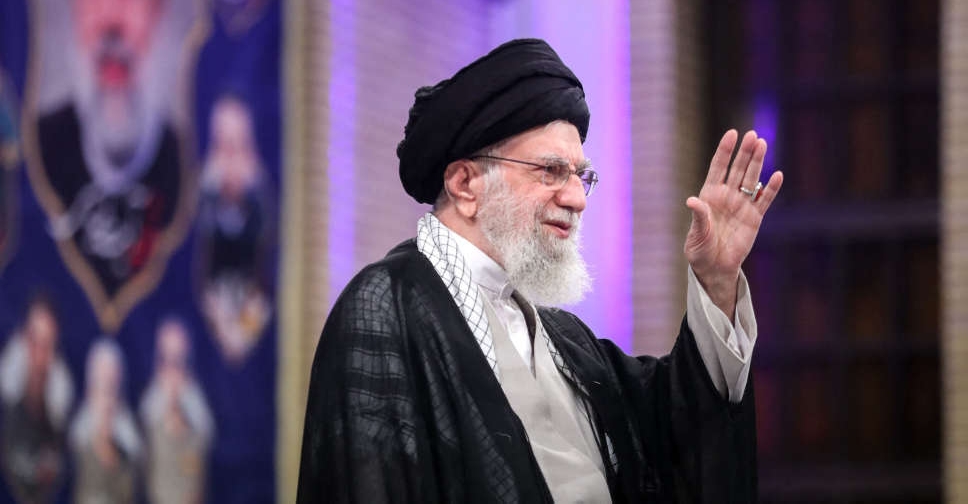
31 people were killed after Israel carried out heavy airstrikes on the southern suburbs of Beirut on Monday, after Hezbollah launched missiles and drones towards Israel in retaliation for the killing of Iran's Supreme Leader Ali Khamenei.
Lebanon's health ministry reported the deaths, with people fleeing the southern suburbs on foot and by car, clogging the roads. More than a dozen powerful explosions shook the capital, starting around
The violence widened the conflict that has spread through the Middle East since the United States and Israel attacked Iran on Saturday.
Israel held Hezbollah responsible for the escalation, after the group said it had fired rockets and drones to avenge "the pure blood" of Khamenei and in response to what it described as repeated Israeli attacks.
The Israeli military said no injuries or damage were reported in Israel.
Hezbollah's attack was its first on Israel since a war in 2024, while Israel's strikes on the southern suburbs were the heaviest since that conflict.
"Hezbollah opened a campaign against Israel overnight, and is fully responsible for any escalation," Israeli Chief of the General Staff Eyal Zamir said in a statement.
"We must prepare for many prolonged days of combat ahead," he said in a later statement, saying Israel had launched an offensive campaign against Hezbollah.
LEBANESE STATE OFFICIALS CRITICISE ATTACK ON ISRAEL
Lebanese President Joseph Aoun condemned the Israeli attacks but also warned against Lebanon being used as a platform for wars "we have nothing to do with", saying it would "expose our nation once more to dangers".
"This is something the state will not allow to be repeated and will not accept," said Aoun, whose administration has adopted a policy aimed at Hezbollah's disarmament since taking office with US support a year ago.
Lebanese state media reported that the public prosecutor had ordered security forces to immediately arrest those who fired the rockets at Israel, after a phone call from Lebanese Justice Minister Adel Nassar.
Hezbollah's arms have long been a point of division in Lebanon, a country that was shattered by civil war from 1975-1990, and demands for the group to disarm have intensified since the 2024 war with Israel.
The group emerged from that war greatly weakened, with its leader Hassan Nasrallah killed along with thousands of its fighters.
Prime Minister Nawaf Salam said launching rockets from Lebanon was irresponsible and jeopardized Lebanon's security.
EVACUATION WARNINGS
The initial wave of strikes was followed by a warning from Israel ordering residents of dozens of villages in southern and eastern Lebanon to evacuate.
The Israeli military said it struck Hezbollah targets across Lebanon, including senior Hezbollah members in the Beirut area.
Hezbollah said its attack had targeted an Israeli military missile defence facility south of the city of Haifa. The Israeli military said several projectiles that crossed from Lebanon fell in open areas, and one was intercepted by the Israeli air force.
Since a US-backed ceasefire between Israel and Lebanon in 2024, Israel has carried out regular strikes against what it has identified as Hezbollah targets in Lebanon, accusing the group of seeking to rearm.
This was Israel's first attack on the southern suburbs since it killed the group's military official Ali Tabtabai in November.
Lebanon's presidency said on Saturday it had been told by the US ambassador that Israel would not escalate against Lebanon as long as there are no hostile acts from the Lebanese side.

 Starmer says US can use British bases for defensive strikes against Iran missiles
 Fire from missile debris kills one in Bahrain
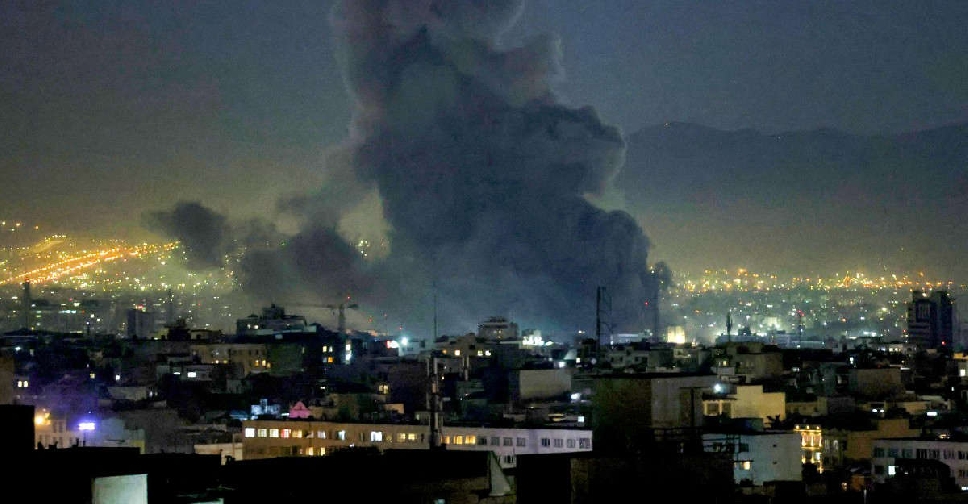 Israel hits Tehran again after killing Khamenei, leadership council takes over
 Iran's supreme leader Khamenei killed in US-Israeli strikes