


The International Energy Agency on Wednesday has agreed to release a record 400 million barrels of oil from strategic stockpiles to combat a spike in global crude prices since the start of the US-Israeli war with Iran, with the US contributing the bulk of the supply.
The IEA said all 32 member countries backed the move, the sixth coordinated stockpile release since the agency's creation in the 1970s. The United States will take a lead role by contributing 172 million barrels, according to US Energy Secretary Chris Wright.
"President Trump promised to protect America’s energy security by managing the Strategic Petroleum Reserve responsibly, and this action demonstrates his commitment to that promise," he said in a press release announcing the contribution.
The release is aimed at combatting a spike in oil prices caused by disruptions to around a fifth of global oil and gas supply along the Strait of Hormuz since the war began February 28, according to the IEA. Iran said on Wednesday the world should be ready for oil at $200 a barrel as its forces continue to hit merchant ships on the strait.
"The oil market challenges we are facing are unprecedented in scale, therefore I am very glad that IEA member countries have responded with an emergency collective action of unprecedented size," said IEA Executive Director Fatih Birol.
Oil prices gained nearly 5 per cent on Wednesday despite the announcement, as further attacks on ships in the Strait of Hormuz worsened supply-disruption fears, and analysts said the release of reserves was inadequate to ease those concerns.
The 400 million barrel release would cover only about 20 days of supply lost due to the disruptions along the Strait of Hormuz, and will take weeks or months to reach markets.
"I'm not surprised that the market is reacting like this given that the announcement was priced in," said Gary Ross, CEO of Black Gold Investors and a veteran oil market analyst. "This situation is not manageable without some demand destruction and much higher prices, unless the conflict ends."
Trump, facing political pressure due to surging energy prices ahead of the November midterm elections, was shown at the end of a video of the G7 meeting chaired by Macron saying, "I think we are having a tremendous impact on the world."
Later on Wednesday, Trump said he expected the coordinated global release of crude stockpiles to "substantially reduce oil prices as we end this threat to America and the world."
Energy Secretary Wright said the US contribution would 120 days to deliver, and that the Department of Energy intended quickly refill the reserve afterward.
"Unlike the previous administration, which left America’s oil reserves drained and damaged, the United States has arranged to more than replace these strategic reserves with approximately 200 million barrels within the next year—20 per cent more barrels than will be drawn down—and at no cost to the taxpayer.
Analysts have said the pace of daily IEA stock releases matter as much as, if not more than, the overall size.
The last major release of global oil stockpiles was in 2022 after Russia launched its full-scale invasion of Ukraine.
At that time, IEA member countries released 182.7 million barrels of oil and oil products - then the largest in IEA history.
Washington was a key driver in the latest IEA decision, one EU diplomat said. "Pressure came mainly from the US government, which wants this release."
JAPAN TO MOVE SWIFTLY
G7 member Japan, which relies heavily on Middle Eastern oil, said it planned to release around 80 million barrels from its private and national oil reserves as its contribution.
"Rather than wait for formal IEA approval of a coordinated international reserve release, Japan will act first to ease global energy market supply and demand, releasing reserves as early as the 16th of this month," Prime Minister Sanae Takaichi said in a broadcast statement.
India, also a major importer of Middle East oil, welcomed the IEA's announcement.
"India stands ready to take appropriate measures, as necessary, to support global market stability in alignment with the efforts of the International Energy Agency," India's ministry of petroleum and natural gas said in a statement.
Western economies coordinate their strategic oil stockpiles through the IEA, which was formed in 1974 after the oil crisis.
IEA members hold emergency stockpiles of more than 1.2 billion barrels, with another 600 million in industry stocks held under government obligation.

 Four Bahrainis arrested for spying for Iranian Guard
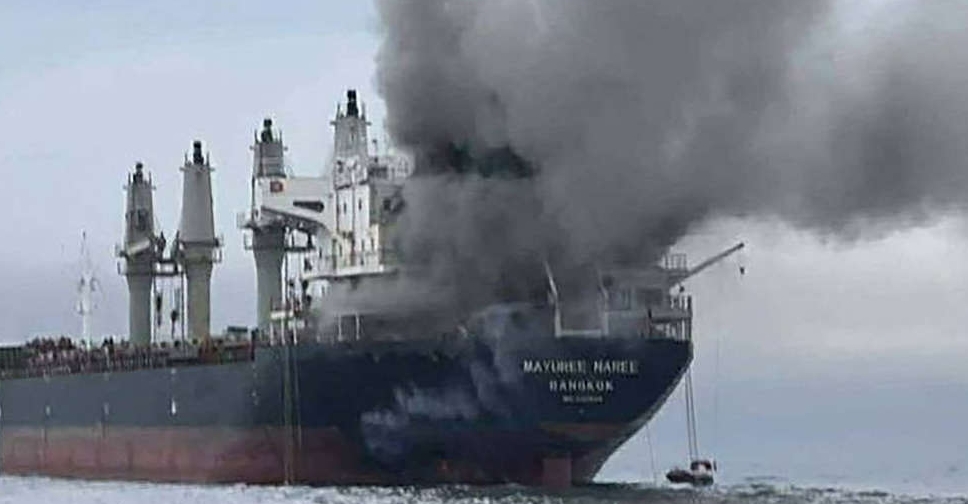 Six vessels attacked in Gulf, Strait of Hormuz
 UN Security Council adopts resolution condemning Iran attacks on Gulf states
 Oman works to contain fire at Salalah port after drones strike