



Iran and the United States will hold high-level talks in Oman on Saturday aimed at jump-starting negotiations over Tehran's fast-advancing nuclear programme, with US President Donald Trump threatening military action if there is no deal.
Foreign Minister Abbas Araqchi is leading the Iranian delegation, while the talks will be handled on the US side by Trump's Middle East envoy, Steve Witkoff.
Iran is approaching the talks warily, sceptical that they could lead to a deal and suspicious of Trump, who has repeatedly threatened to bomb Iran if it does not halt its nuclear programme.
While each side has talked up the chances of some progress, they remain far apart on a dispute that has rumbled on for more than two decades and have not agreed on whether the talks will be face-to-face, as Trump demands, or indirect, as Iran wants.
Signs of movement could help cool tensions in the region following wars in Gaza and Lebanon, missile fire between Iran and Israel, Houthi attacks on Red Sea shipping and the overthrow of the government in Syria.
However, failure would aggravate fears of a wider conflagration across a region that exports much of the world's oil.
Iran has always maintained its nuclear programme is intended for purely civilian purposes but Western countries believe it wants to build an atomic bomb.
They say Iran's enrichment of uranium, a nuclear fuel source, has gone far beyond the requirements of a civilian programme and has produced stocks at a level of fissile purity close to those required in warheads.
Trump, who has restored a "maximum pressure" campaign on Tehran since February, ditched a 2015 nuclear pact between Iran and six world powers in 2018 during his first term, reimposing crippling sanctions on the country.
Since then, Iran's nuclear programme has leaped forward, including by enriching uranium to 60%, a technical step from the levels needed for a bomb.
US Secretary of State Marco Rubio said on Thursday he hoped that the talks would lead to peace, adding that "We've been very clear what Iran is never going to have a nuclear weapon, and I think that's what led to this meeting."
Tehran responded the following day, saying it was giving the United States a "genuine chance" despite what it called Washington's "prevailing confrontational hoopla".

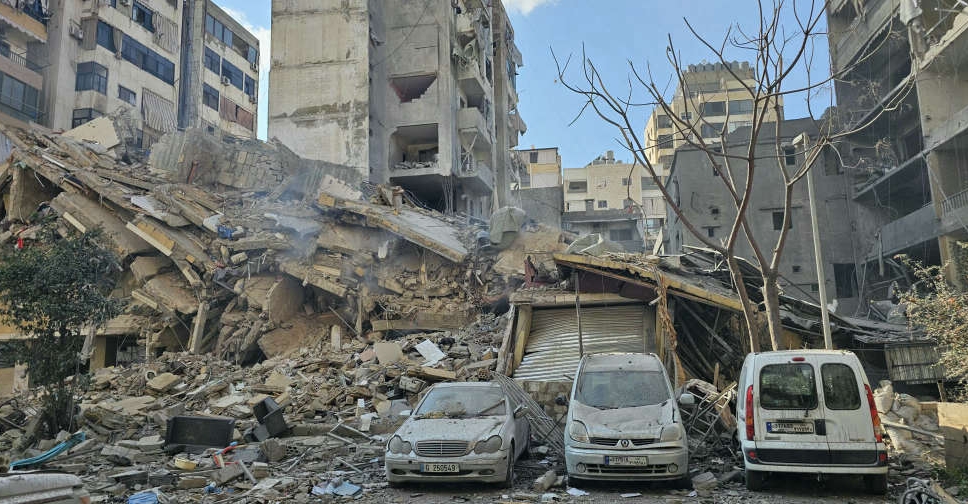 Israel warns Lebanon of 'heavy price' as week's death toll nears 300
 Israeli settler fatally shoots Palestinian in West Bank
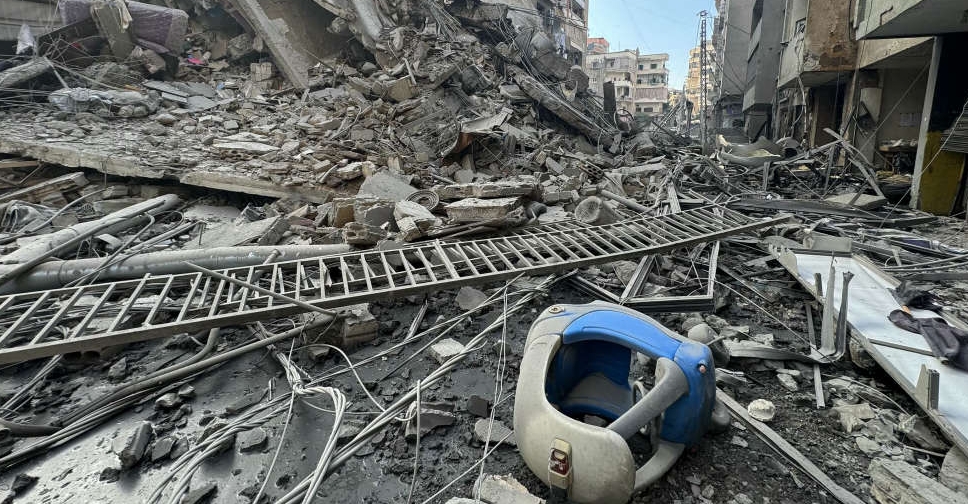 Israel carries out rare airborne raid in Lebanon; 16 killed in strikes
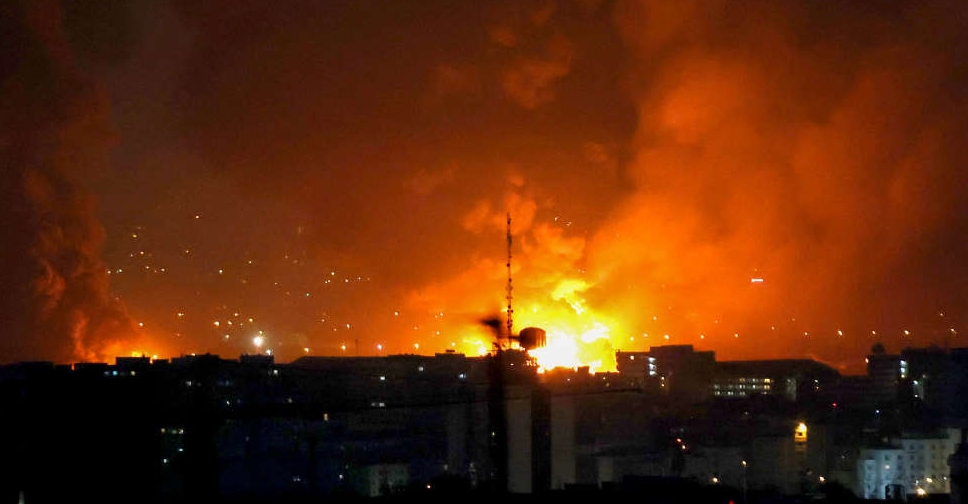 US skips congressional review to approve arms sale to Israel