


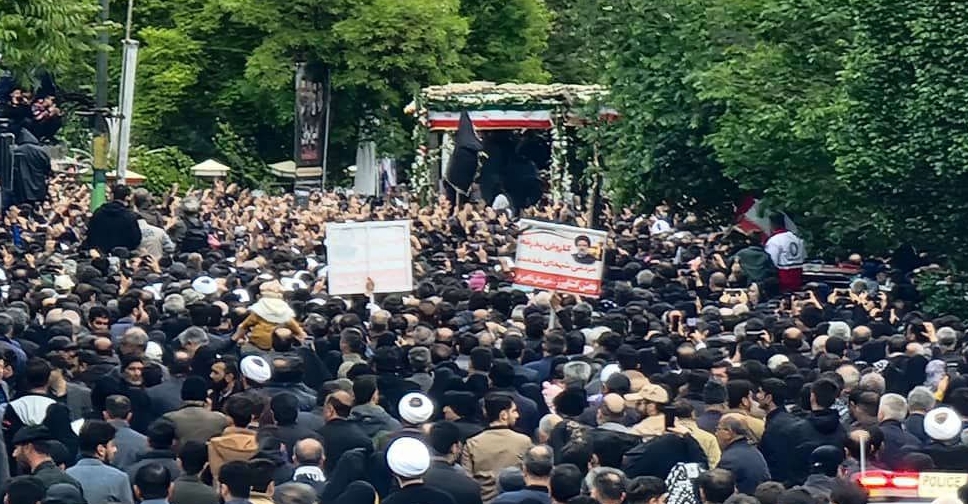
Thousands of Iranians turned out to mourn President Ebrahim Raisi in the city of Tabriz on Tuesday, after he was killed in a helicopter crash near the Azerbaijan border at the weekend along with his foreign minister and seven others.
State TV broadcast live images of mourners, many of them dressed in black, beating their chests while a truck covered in white flowers carrying the caskets wrapped in the national flag was driven slowly through the crowd.
"Everyone has come to bid farewell to the martyred president and his companions regardless of their faction, ethnicity or language," said Tabriz lawmaker Masoud Pezeshkian.
Raisi's body was flown from Tabriz, the closest major city to the remote crash site, to Tehran airport before heading to the holy city of Qom. From there, it will return to the capital to lie at Tehran's Grand Mosalla Mosque before being transferred to his hometown of Mashahd, in eastern Iran, for burial on Thursday.
Mourners carried posters bearing images of Raisi, Foreign Minister Hossein Amirabdollahian, the Friday prayer leader of Tabriz city and other officials who were also killed in the crash.

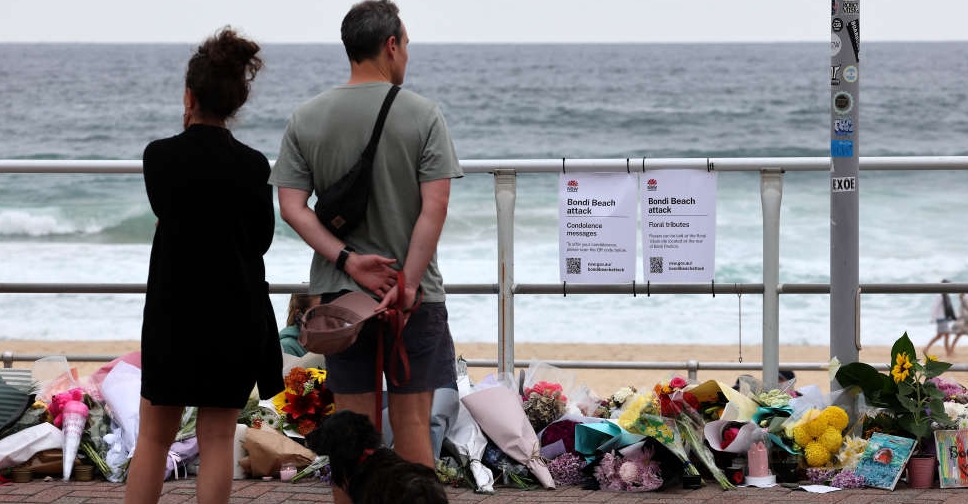 Philippines confirms visit by alleged Bondi gunmen amid terrorism concerns
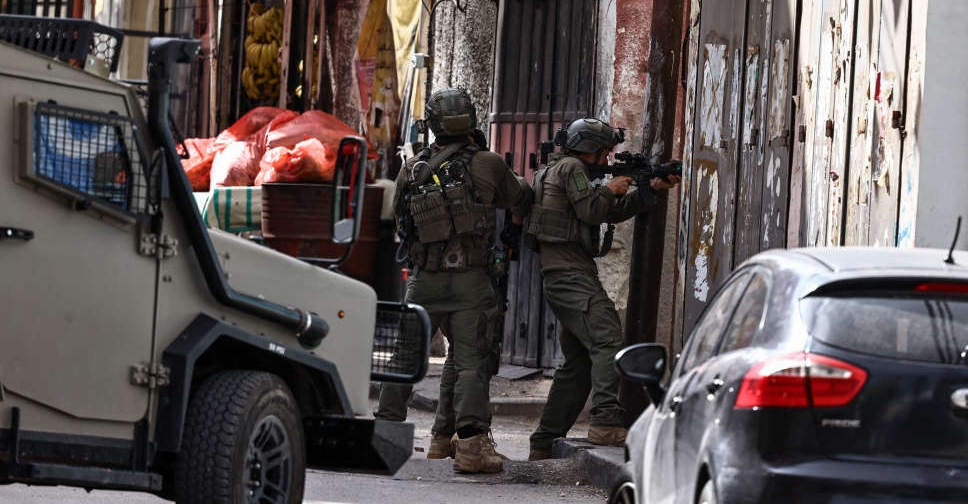 Israeli forces kill Palestinian teen in West Bank, health ministry says
 Trump sues BBC for defamation, seeks up to $10 billion in damages
 FBI foils 'terror plot' targeting Los Angeles

