


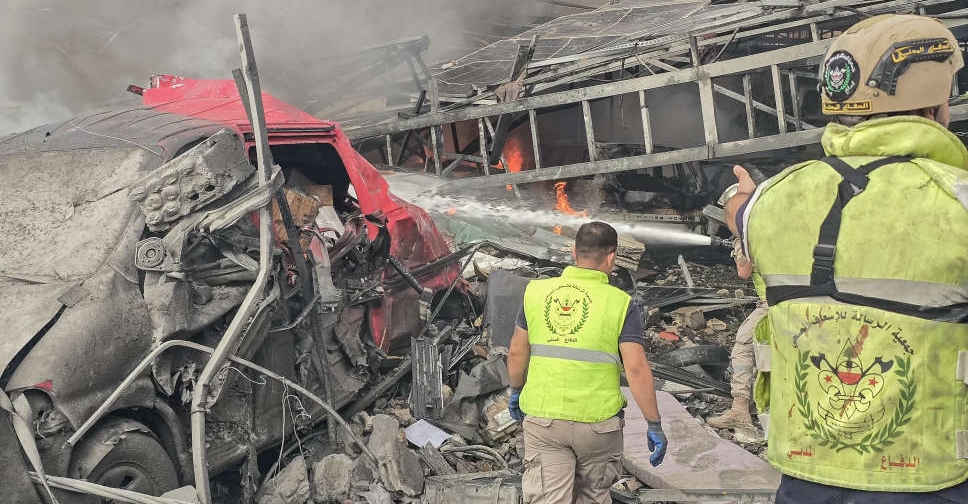
Israel kept up strikes on southern Lebanon on Tuesday, pressing its campaign against Hezbollah a day after US President Donald Trump asked Israeli Prime Minister Benjamin Netanyahu not to attack Beirut, averting further escalation in the three-month-old war.
Following Trump's intervention, Lebanon's government said Israel would refrain from carrying out threatened strikes on the Hezbollah-controlled southern suburbs of Beirut, while the group would halt attacks against Israel.
But the announcement has failed to reassure many Lebanese or halt the broader war in south Lebanon, which Netanyahu has vowed would continue. The din of an Israeli drone over Beirut kept residents on edge on Tuesday.
In the south, Israeli air strikes and artillery fire hit a string of towns there and the Israeli military ordered residents of the city of Nabatiyeh to leave ahead of strikes.
Hezbollah did not announce new operations on Tuesday, but the Israeli military overnight said it had intercepted two projectiles crossing from Lebanon into Israeli territory.
If Israel's northern communities are attacked, the Israeli military would evacuate and strike Beirut's southern suburbs, warned Israeli Defence Minister Israel Katz in remarks provided by his office.
"The test of this policy for protecting our communities will be simple and will become clear in the coming days: either the attacks on Israeli communities stop, or if attacks continue and we strike Dahiyah in Beirut, this equation will be realized," he said.
IRAN RAISES THE STAKES
Faten Al Chehime said the Israeli warnings led her to flee her home in Beirut's southern suburbs on Monday, just two weeks after she had returned.
"Every time we return to our homes, there is a warning for us to be displaced again," said Chehime, speaking at a camp sheltering displaced people in central Beirut.
More than 1.2 million people in Lebanon have been uprooted by the war, which has raged since Hezbollah fired on Israel in support of Tehran on March 2.
Israel had pounded Beirut's southern suburbs, known as Dahiyeh, in an early phase of the war, but carried out only two strikes there since Trump declared a Lebanon ceasefire in April.
Tensions had spiked on Monday after Netanyahu ordered strikes on Beirut's southern suburbs, with Iranian state media reporting that Tehran had stopped indirect talks with Washington due to Israeli attacks on Lebanon and Iran's military warning residents of northern Israel they should leave to avoid harm if Israel attacked Beirut.
"If Israeli aggression on Lebanon continues, we won't just stop the negotiation track, but we will be in a direct confrontation with the enemy," Iran's top negotiator, Parliament Speaker Mohammad Bagher Qalibaf said he told Lebanese Parliament Speaker Nabih Berri, according to a post by Qalibaf on X.
A flurry of calls appeared to defuse the escalation: Trump said on Monday he had asked Netanyahu not to carry out a major raid on Beirut and that Hezbollah, through intermediaries, had pledged not to attack Israel.
No US president has ever spoken with Hezbollah, with or without intermediaries. The US designates the group as a terrorist organisation.
ISRAELI MILITARY WARNS RESIDENTS TO LEAVE NABATIYEH
The Lebanese government has said it would seek to expand the ceasefire in talks with Israeli officials in Washington on Wednesday, the latest in a series of face-to-face meetings Beirut has attended despite Hezbollah objections.
Asked about Monday evening's announcements, Youssef al-Zein, the head of Hezbollah's press office, said the group would not take a public stance without a formal declaration that would compel Israel to implement a comprehensive cessation of hostilities across all Lebanese territory.
He pointed to Israel's continued air strikes on Lebanon after a 2024 truce that ended the last war between Hezbollah and Israel and after the April 16 truce announced by Trump.
"Hezbollah will monitor developments both on the battlefield and in diplomatic channels in the coming days," Zein said.
Lebanese authorities say more than 3,400 people have been killed in Lebanon by Israeli strikes since March 2. Israel says 26 of its soldiers and four civilians have been killed in Hezbollah attacks since March.

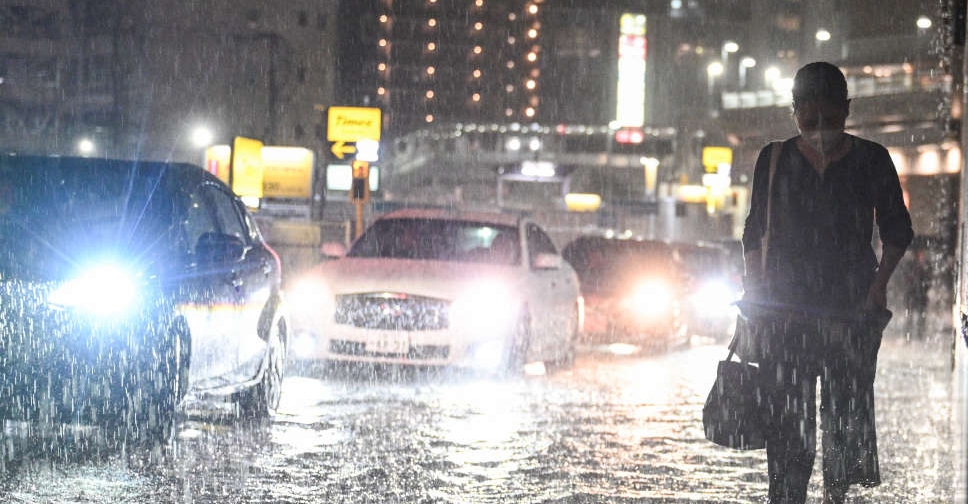 Japan's record rains strand thousands at Narita airport; kill eight
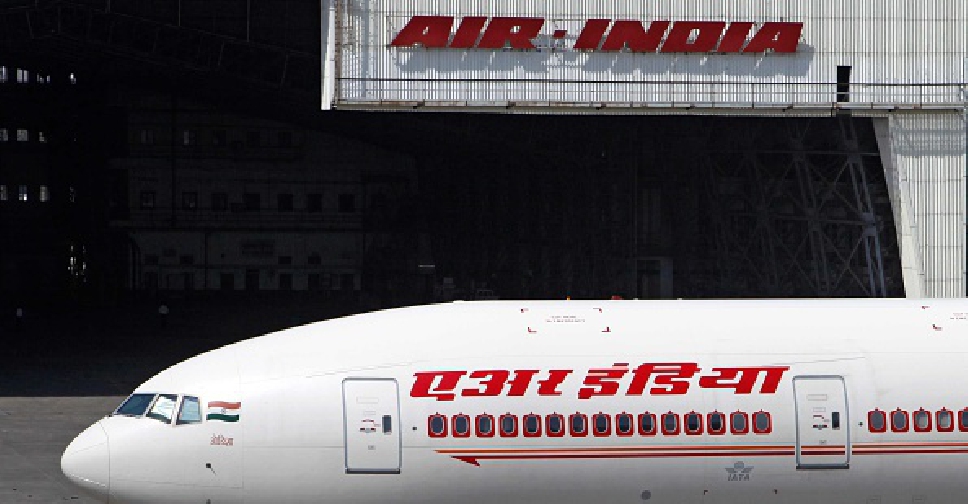 Air India A320 briefly lost key flight controls, Airbus analysis shows
 Philippine president says he has yet to decide who to back as successor
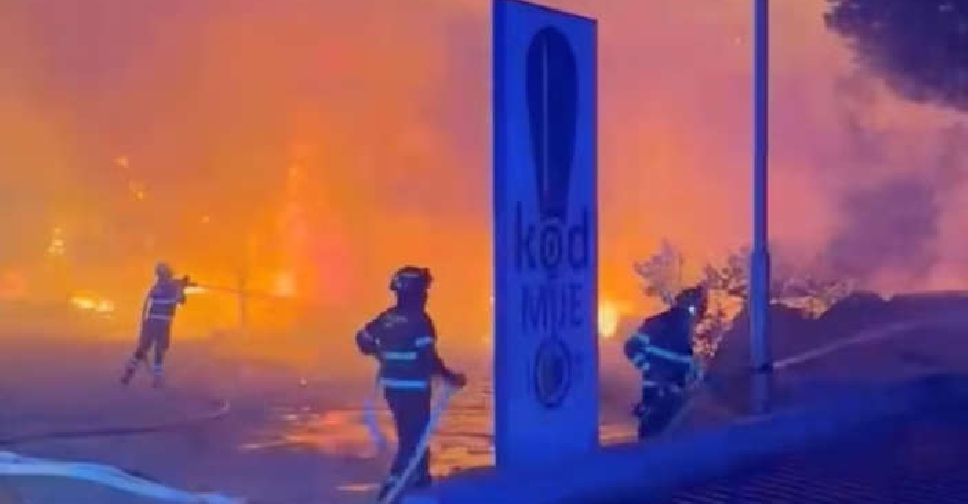 Wildfire descends on Croatian tourist town, injures 36