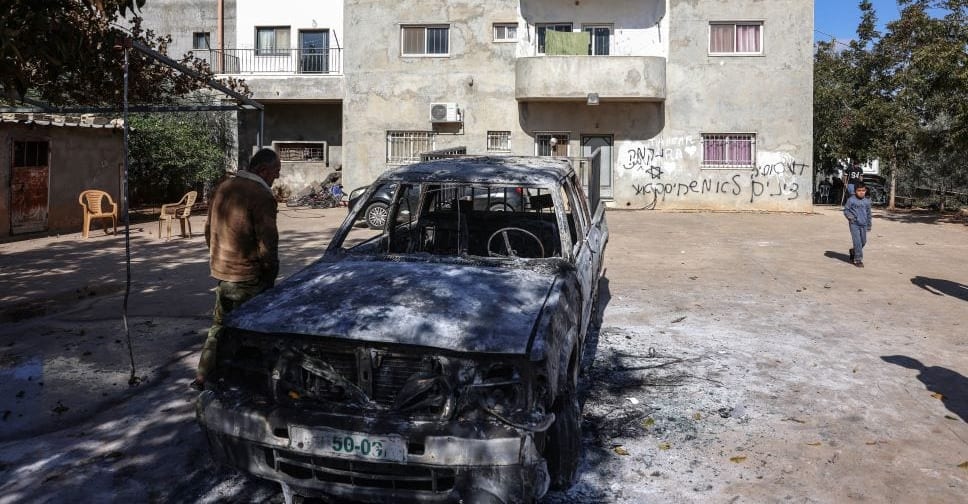
Israeli settlers attacked Palestinian villages in the occupied West Bank early on Sunday, starting fires and scrawling racist graffiti, residents said, prompting an accusation of "Jewish terrorism" from the man trying to form an Israeli government.
The attacks come nearly a month after an inconclusive election stripped incumbent prime minister Benjamin Netanyahu of his majority. Opposition leader Gadi Eisenkot has been asked to form a government, though his prospects seem little better.
Reuters saw burned-out Palestinian vehicles and walls spray-painted with slogans such as "Revenge" in villages near Ramallah. No one immediately claimed responsibility and no injuries were reported.
Eisenkot called the attacks "Jewish terrorism", saying that "extremist groups that set fire to vehicles and homes are undermining regional stability, putting lives at risk and doing grave damage to Israel's national security and foreign relations".
He said the policies of Itamar Ben-Gvir and Bezalel Smotrich, ultra-nationalist ministers in Netanyahu's cabinet, had "brought the area to the brink of anarchy, and the authorities have yet to address the crisis".
ISRAELI POLICE SAY THEY ARE INVESTIGATING
UN bodies and most countries of the world deny the legality of the settlements, which make the prospect of an independent Palestinian state ever more remote, a position Israel disputes.
Israeli police said they had opened an investigation into the attacks, while the military condemned the violence, saying soldiers and police had been dispatched to the areas of Deir as-Sudan, Deir Abu Masha'al, Kafr Malik and At-Tuwani "following reports and footage showing vehicles being set on fire and graffiti being sprayed in the area".
Ben-Gvir replied in an X post that Eisenkot's condemnation amounted to selling out to Arab parties, which could be part of a possible new government. Smotrich favours settlement expansion and wants Israel to annex the West Bank.
Yousef Jabareen, head of the Joint List, the largest Arab party in parliament, said the attacks were "the direct result of the deepening occupation and a government policy under which violence against Palestinians has become an everyday occurrence", citing encouragement from Ben-Gvir and Smotrich.
Israel's parliament was sworn in on November 10 without a new government, after the election on October 27 stripped Netanyahu of his majority but left others with no clear path to power.
President Isaac Herzog has tasked Eisenkot, who heads the centre-right Yashar, with forming a government, while Netanyahu remains caretaker prime minister.
Unless Eisenkot forms a unity government with Netanyahu, he is likely to need support from Arab parties to be able to count on a majority of parliament's 120 seats.
If no one is able to form a government, another election will be held next year.

 COP31 climate talks break down as EU, others reject deal
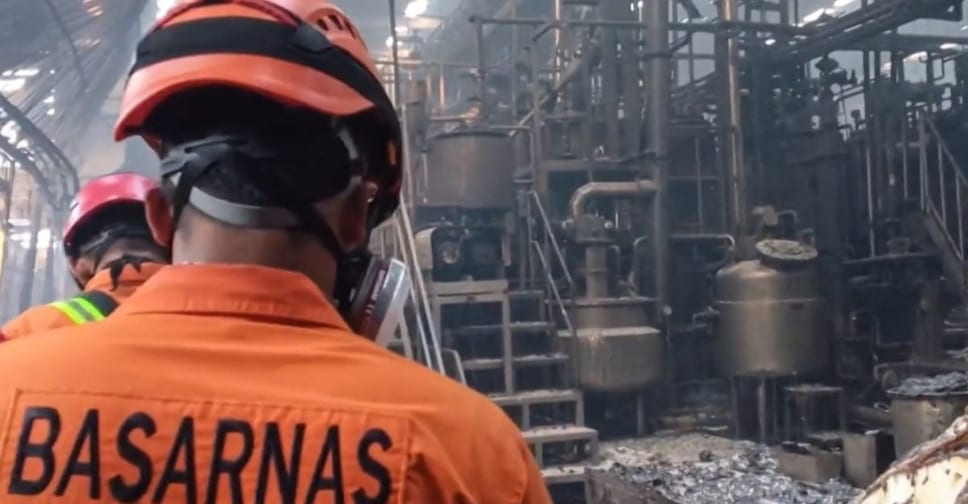 Indonesia factory fire search to resume Monday as 24 body bags recovered
 India food regulator to take Bisleri to court over unsafe water sample
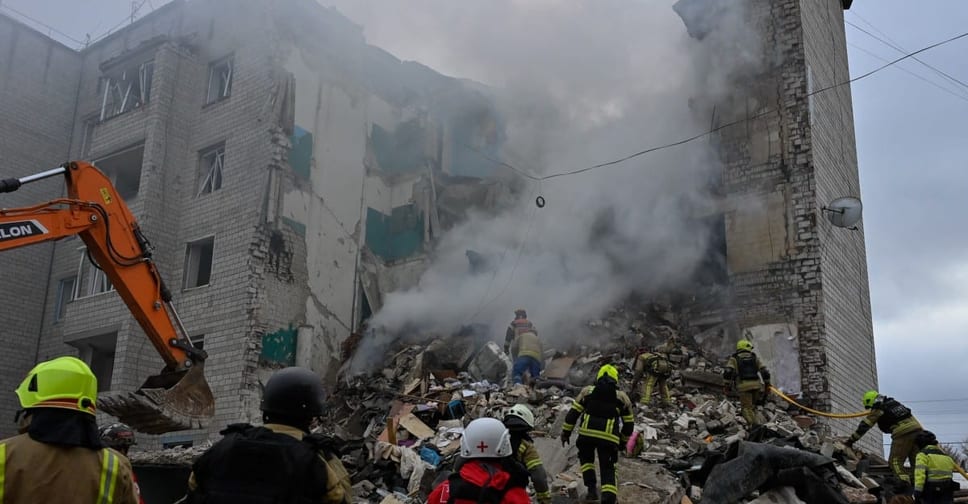 At least 4 killed in Russian drone attacks on Kyiv region