


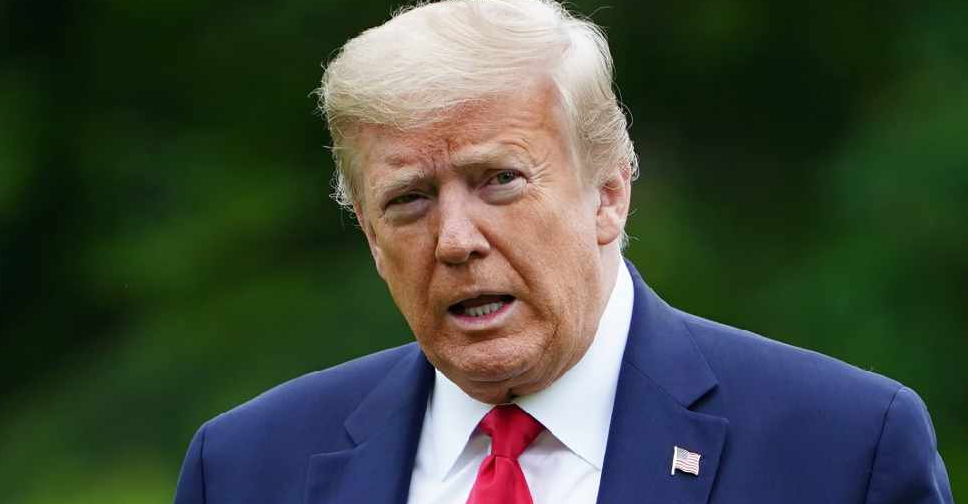
President Donald Trump criticised an Israeli strike on Lebanon that could complicate attempts to finalise a framework deal between the United States and Iran on Sunday on ending their war, but said an agreement was nonetheless close.
"This morning’s attack on Beirut should not have happened, particularly on a special day when we are so close to a Peace Deal with Iran," Trump said in a post on his Truth Social platform.
"We are very close to a Deal that will bring peace to the region, including to Lebanon, and all sides should stand down."
President Trump posted on social media on Saturday that the deal with Iran was scheduled to be signed the next day, his 80th birthday. Pakistani Prime Minister Shehbaz Sharif said the two sides had agreed on a framework for a peace deal and that Islamabad was preparing for an electronic signing on Sunday, to be followed by technical-level talks in the coming week.
Trump wrote on Truth Social that after a framework deal is signed, the Strait of Hormuz, a vital artery for global oil supplies that Iran has blocked, would immediately be "open to all."
While US bombings have heavily degraded Iran's military-industrial base and damaged its military, experts say the war has left hardline Revolutionary Guard dominance more firmly entrenched than before.
Even as the US and Iran appeared to be moving toward an agreement over the past two days, clashes have continued, as the US military imposes a blockade on Iran and seeks to loosen Iran's chokehold on the Strait of Hormuz, which was the conduit for 20 per cent of the world's oil shipments before the war.
Early on Saturday, US forces shot down multiple Iranian one-way attack drones heading toward the strait, the US military said. Israel, which says it is not a party to the US-Iran deal, said on Saturday that it had struck more than 70 sites over a 24-hour period in Lebanon against Iranian ally Hezbollah.
Israeli Prime Minister Benjamin Netanyahu has clashed with Trump over US demands that Israel curb military action in Lebanon to allow Washington to reach a deal with Tehran.
OPENING STRAIT A PRIORITY, NUCLEAR TALKS LATER
The proposed memorandum of understanding calls for reopening the strait and lifting the US naval blockade, sources on all sides of the talks said. Negotiations over Iran's nuclear programme — a key rationale Trump has given for the war — would take place afterwards.
"Iran is going to open up the Strait of Hormuz, that's a requirement. It could be open with no tolls. As they do that, we will lift our blockade," a US official told reporters. "It's going to happen in conjunction, and part of the next step, the phase after that, is going to be the demining of the straits," the official said, indicating countries in the Group of Seven major powers could have a role in this.
Trump discussed the efforts to end the Iran conflict in a call with British Prime Minister Keir Starmer, Downing Street said on Saturday.
Draft terms described to Reuters by multiple sources indicate the US would begin releasing billions of dollars in frozen Iranian assets and waive sanctions on its oil exports, in return for Iran opening the strait.
Iran's nuclear programme would be addressed during a 60-day period of talks. A US official said the agreement would ultimately lead to the dismantling of Iran’s nuclear programme, with its stockpile of highly enriched uranium to be destroyed and removed.

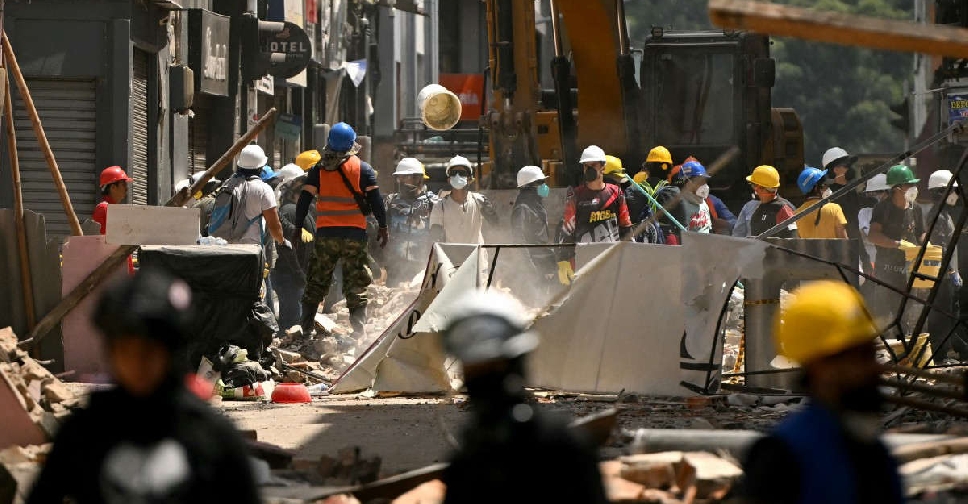 Race to reach trapped survivors offers hope in Colombia quake zone
 France's top court blocks social media ban for under-15s
 Japan's record rains strand thousands at Narita airport; kill eight
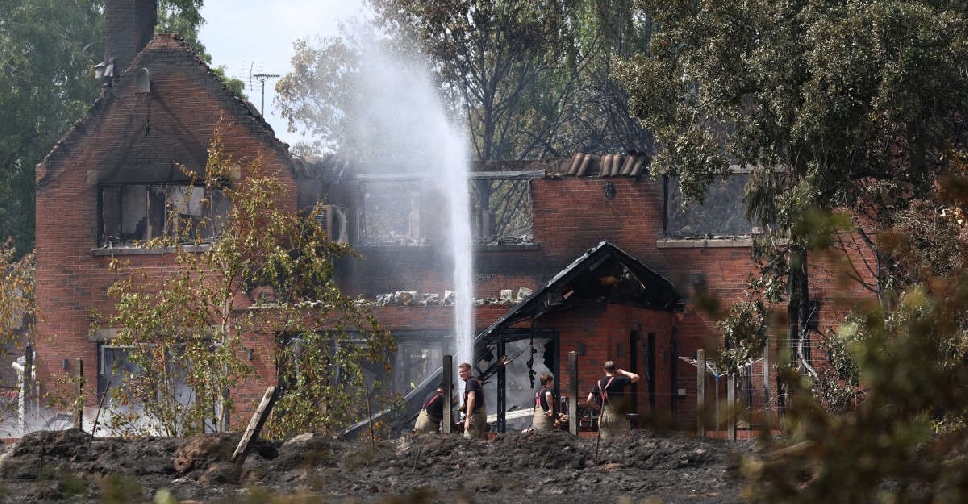 Wildfires in Britain hit record levels after homes burn in intense heat