Tougher lockdown measures have been introduced in parts of northern England after a rise in the rate of novel coronavirus transmission, raising concerns over a second wave.
Britain reported its highest number of new COVID-19 infections in more than a month on Thursday, as ministers warned more quarantine restrictions were possible.
Around 4 million people were ordered not to mix with other households in Greater Manchester, the biggest city in northern England, parts of West Yorkshire and East Lancashire, though they can still go to work.
Those breaking the rules will face a fine of 100 pounds.
"The problem with this virus is that it thrives on the social contact which makes life worth living," Health Secretary Matt Hancock told Sky. "I totally understand the human impact of this but unfortunately that is how the virus passes on."
Asked by the BBC if the UK was now entering a second wave, Hancock said: "It is not yet and we are absolutely determined to take the action that is needed."
The measures were introduced hastily at the start of Eid al-Adha.
Iran has named Mojtaba Khamenei to succeed his father, Ali Khamenei, as supreme leader, signaling that hardliners remain firmly in charge, as the week-old US-Israeli war with Iran pushed oil above $100 a barrel.
The permanent representatives of the Gulf Cooperation Council (GCC) member states to the United Nations in New York have met with UN Secretary-General António Guterres to discuss the repercussions of the Iranian aggression.
Qatar's General Directorate of Criminal Investigation has announced on Monday that it arrested 313 individuals of various nationalities for filming and circulating unauthorised clips, and publishing misleading information.
Saudi Arabia has renewed its strong condemnation of the heinous Iranian attacks against the Kingdom and neighbouring countries, stressing that such attacks cannot be accepted or justified under any circumstances.






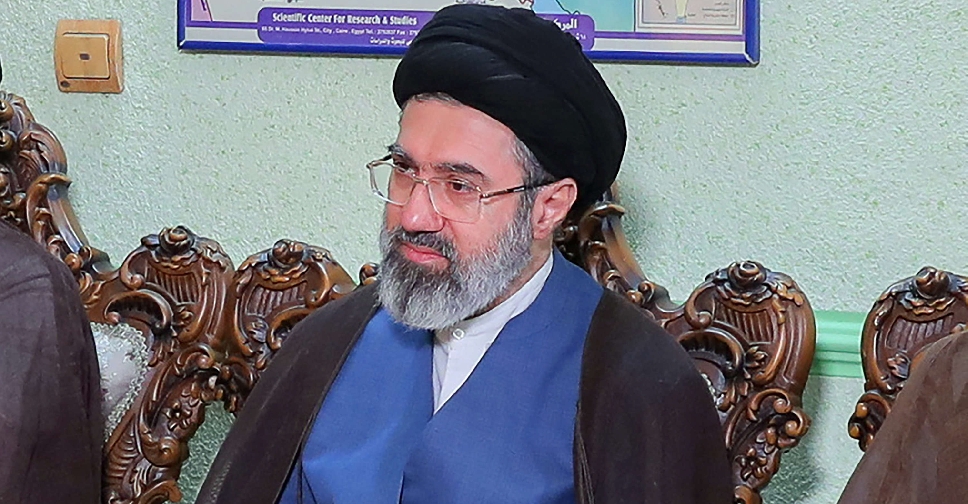 Iran names new supreme leader
 GCC permanent representatives meet UN chief
 Qatar arrests 313 individuals for spreading misinformation
 Saudi Arabia renews condemnation of Iranian attacks