Tougher lockdown measures have been introduced in parts of northern England after a rise in the rate of novel coronavirus transmission, raising concerns over a second wave.
Britain reported its highest number of new COVID-19 infections in more than a month on Thursday, as ministers warned more quarantine restrictions were possible.
Around 4 million people were ordered not to mix with other households in Greater Manchester, the biggest city in northern England, parts of West Yorkshire and East Lancashire, though they can still go to work.
Those breaking the rules will face a fine of 100 pounds.
"The problem with this virus is that it thrives on the social contact which makes life worth living," Health Secretary Matt Hancock told Sky. "I totally understand the human impact of this but unfortunately that is how the virus passes on."
Asked by the BBC if the UK was now entering a second wave, Hancock said: "It is not yet and we are absolutely determined to take the action that is needed."
The measures were introduced hastily at the start of Eid al-Adha.
Record rainfall in Japan stranded thousands of travellers at Tokyo's Narita airport on Friday, bringing floods to the surrounding area that disrupted transport, knocked out power to 20,000 homes and killed eight.
An Air India Airbus dropped about 300 feet this month, injuring 24 people on board, after the aircraft registered a loss of hydraulic pressure that briefly left key flight controls unresponsive, according to a preliminary Airbus analysis reviewed by Reuters.
Philippine President Ferdinand Marcos Jr confirmed on Friday that he would endorse a candidate for the 2028 presidential election, but said he had yet to decide who he would back.
A wildfire in Croatia driven by strong winds descended on the tourist town of Omis overnight, engulfing houses, forcing about 1,000 people to evacuate and injuring dozens, fire brigade and health officials said on Friday.






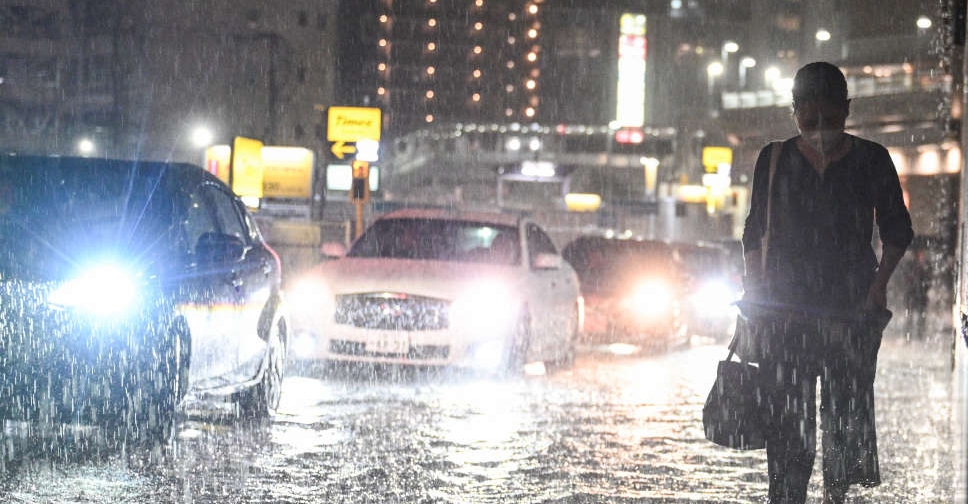 Japan's record rains strand thousands at Narita airport; kill eight
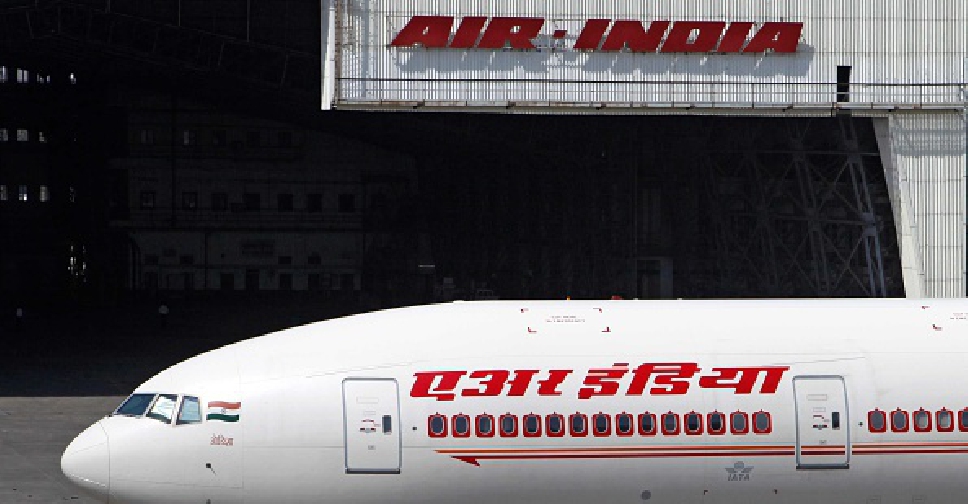 Air India A320 briefly lost key flight controls, Airbus analysis shows
 Philippine president says he has yet to decide who to back as successor
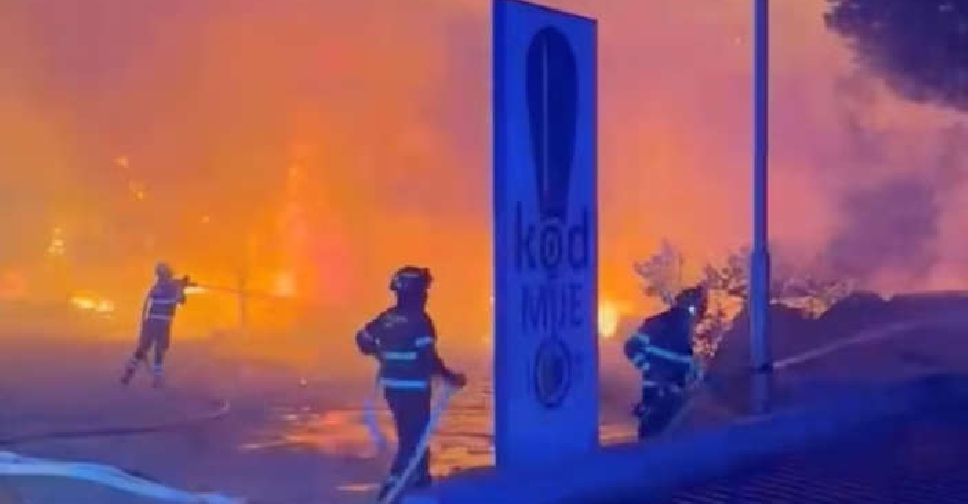 Wildfire descends on Croatian tourist town, injures 36