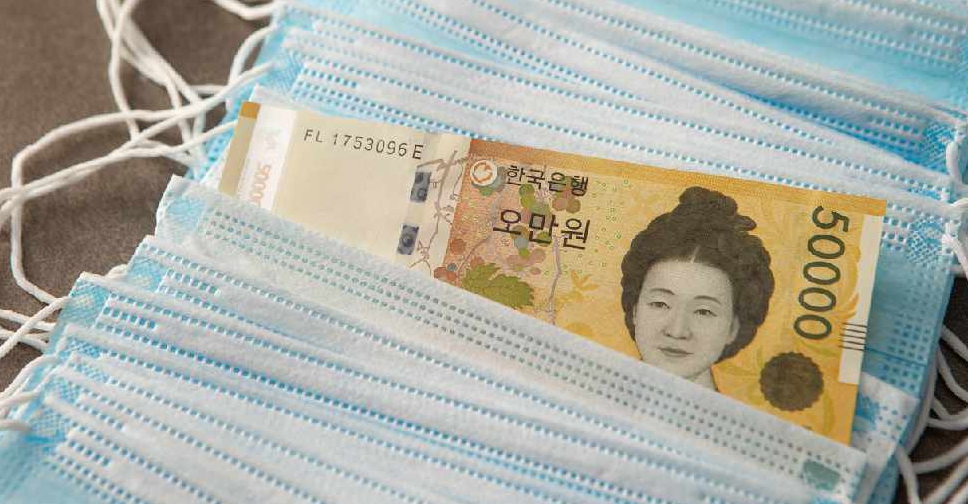
Worried South Koreans are putting banknotes in their microwaves and washing machines, damaging the bills in their attempts to cleanse them of the coronavirus.
The central bank said on Friday that people had exchanged three times as much burnt money in the past six months as in the same period last year, much of it thought to be from botched efforts to disinfect bills.
A Bank of Korea official told Reuters that the amount of money returned to the bank after being burnt between January and June had risen to 1.32 billion won ($1.1 billion) from 480 million won ($400 million) in the same period last year.
"There was a considerable amount of bills being burnt in the microwave ovens in the first half of this year," the official said, referring to efforts to to sterilise the money against COVID-19.
In a statement, the bank said overall a total of 2.69 trillion won worth of damaged notes and coins were destroyed and of that it exchanged 6.5 billion won worth in the first half of 2020.
In March, it said it was quarantining bank notes for two weeks to remove any traces of the coronavirus and even burning some as part of efforts to stem the outbreak.
Britain is working with allies on a range of options to support commercial shipping through the Strait of Hormuz in the face of Iranian threats, Prime Minister Keir Starmer's spokesperson said on Tuesday as the U.S.-Israeli war with Iran roils oil prices.
Australia on Tuesday granted humanitarian visas to five Iranian women soccer players after they sought asylum, fearing persecution on their return home for their refusal to sing the national anthem at an Asia Cup match.
The humanitarian crisis in Lebanon has deepened amid the wider Middle East war, with 84 children killed and more than 667,000 people displaced, two UN agencies said on Tuesday.
Iran is fighting back but is not tougher than the U.S. military expected before the war, the top U.S. general told reporters on Tuesday, as the Pentagon promised its most intense day of strikes in the 10-day-old conflict.





 Britain working with allies to support shipping through Strait of Hormuz
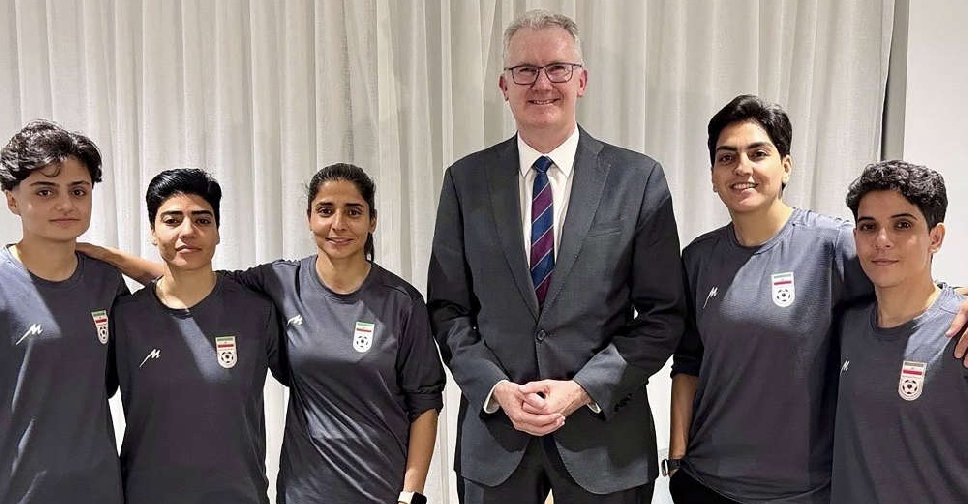 Five Iranian women's soccer players granted humanitarian visas in Australia
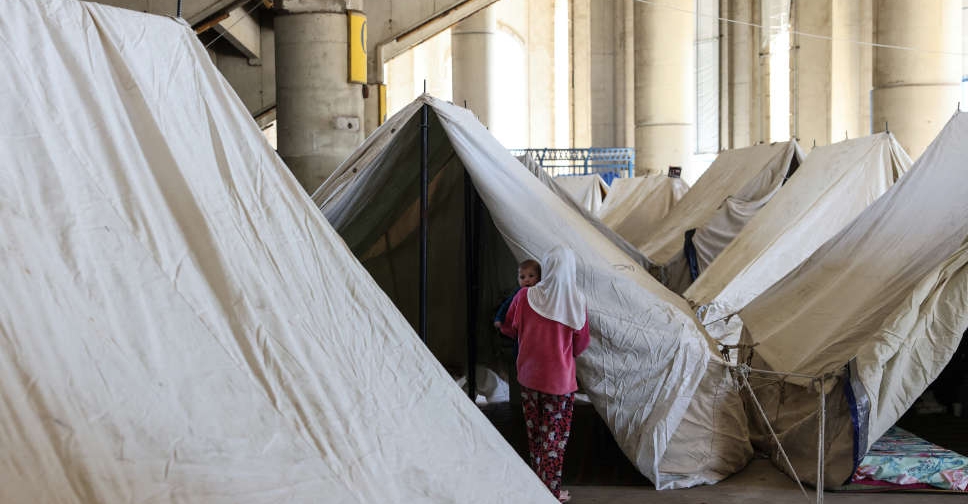 Almost 700,000 displaced after Israeli strikes on Lebanon, UN agencies say
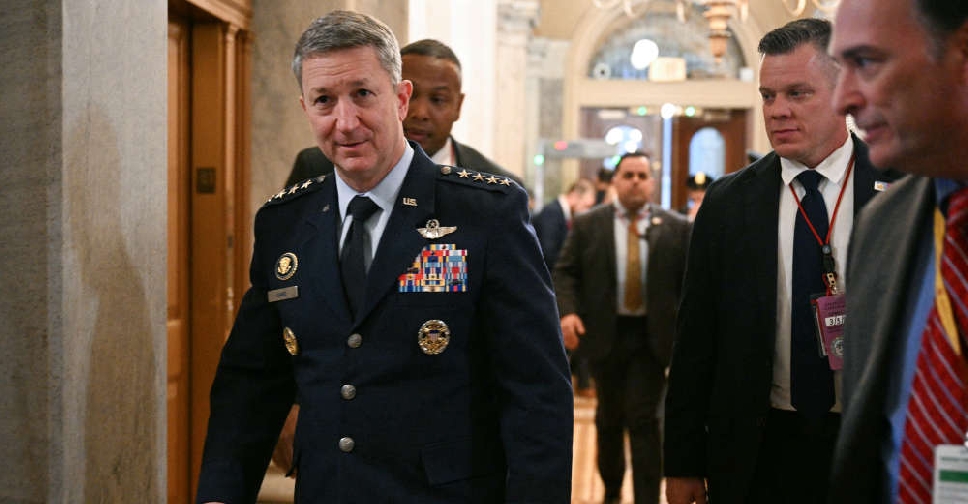 Iran fighting back but not stronger than U.S. thought, top U.S. general says