


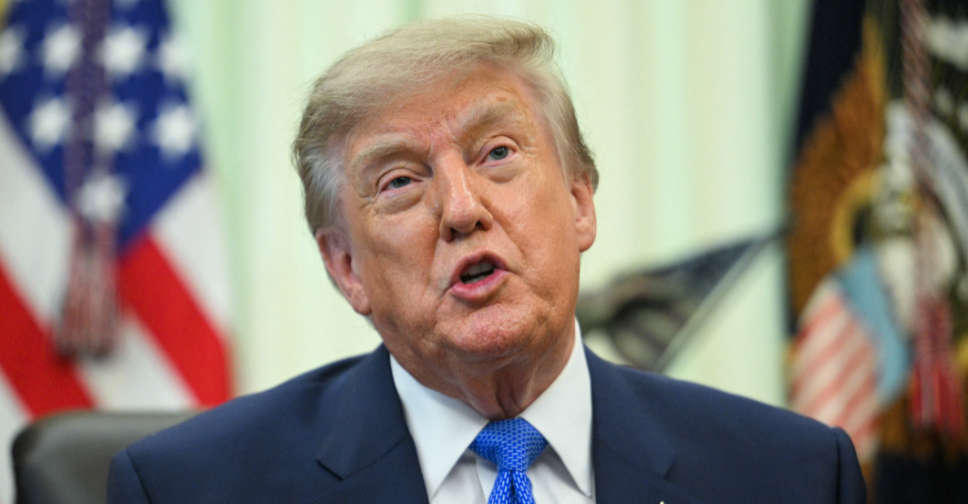
US President Donald Trump has responded to Iran's conditions for a peace deal on Monday with his own demands that Iran pay compensation for people killed in wars, attacks and protests as discussions on the reopening of the Strait of Hormuz continue.
Trump's proposal, which had not been raised before, was a response to Tehran's demands for compensation and an end to sanctions.
The Iranian demands were largely in line with the terms of a preliminary peace deal signed in June, which has since broken down.
Since the war began in February, Trump has repeatedly oscillated between threats of escalation and claims that a peace deal is imminent.
"We're going to ask for money for the damage they've done over a 50-year period," Trump said at the White House, saying payments would cover deaths among both civilian demonstrators and US forces in the region.
"So if there's damages to be paid, I think Iran should pay those damages," Trump said.
Oil prices settled 5 per cent higher on Monday after the demands dimmed prospects for a deal to reopen the strait.
TRUMP CITES ATTACK BLAMED ON AL QAEDA, NOT IRAN
Referring to Tehran's crackdown on demonstrations in late 2025 and 2026, Trump said Iran had killed some 52,000 protesters as of six weeks ago.
While some Iranian opposition and exile groups have claimed tens of thousands killed, the US-based Human Rights Activists News Agency (HRANA) in February reported around 7,000 deaths, including 6,500 protesters.
Trump encouraged protesters to overthrow the Iranian government when the war began with US and Israeli airstrikes in February. Rights groups say the Iranian government has continued to crack down on opponents since then.
Trump also said Iran should compensate families of the 17 US sailors killed in an October 2000 attack in Yemen on the naval vessel USS Cole, which has been blamed on al Qaeda, not Iran.
"Also, with respect to the Iran negotiations, Iran should be responsible for the damages and death caused to the people of Lebanon, Syria, Yemen, and Gaza!" Trump wrote in a Truth Social post.
The Strait, through which about a fifth of global oil and liquefied natural gas flowed before the conflict, has been effectively blocked since the war began, pushing up oil prices and inflation.

 Syria sentences absent Bashar al-Assad to death
 Ebola deaths surpass 2,000 in Democratic Republic of Congo
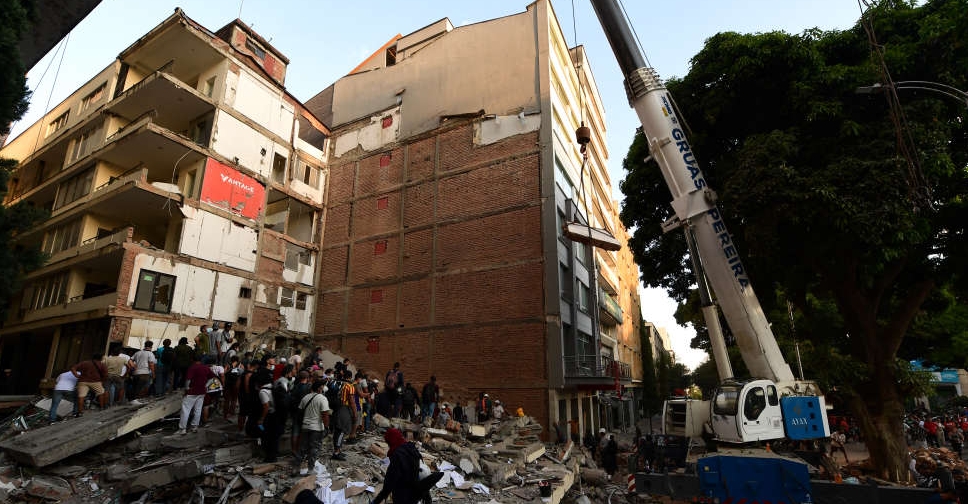 Colombia rescue efforts press on after quake, death toll expected to rise
 Indonesia races to contain fires as haze spreads