

New traffic regulations in the UAE will introduce tighter rules on vehicle registration, electric scooter use and road safety from January 1, 2027.
Under the rules, residents will be allowed to register a maximum of five vehicles, with additional fees applying to each vehicle beyond the second.
The regulations will also allow owners of eligible light vehicles to extend their registration period to two years, subject to approval.
Meanwhile, the minimum age for obtaining permits to use electric scooters, e-bikes and small-wheeled cycles will be 15, with permits valid for three years.
New technical standards have also been introduced for personal mobility devices to improve safety.
Other changes include a maximum driving period of nine hours within 24 hours, new safety requirements for delivery drivers and enhanced protections for children and pedestrians.
Delivery riders will be required to carry valid professional permits, wear approved uniforms and use designated equipment for transporting orders.
The regulations also set out conditions under which trained individuals may provide first aid to people injured in traffic accidents.
The new provisions are part of Cabinet Decision Number 174 of 2026, regarding the Federal Decree-Law No. (14) of 2024 on the Regulation of Traffic.
حددت اللائحة التنفيذية الجديدة لقانون السير والمرور الاتحادي في دولة الإمارات مجموعة من الضوابط والأحكام الجديدة، تشمل تحديد الحد الأقصى للمركبات المرخصة للمقيمين بخمس مركبات، مع فرض رسوم إضافية عند تجاوز مركبتين، وإتاحة ترخيص المركبات الخفيفة لمدة تصل إلى سنتين وفق شروط محددة… pic.twitter.com/Ziex1zGmLo
— وزارة الداخلية (@moiuae) November 4, 2026
Maximum of 5 vehicles per resident
As per Article (89), residents may register up to two vehicles without additional fees, while any further vehicles are subject to an additional fee per vehicle, provided that the total number registered to a single resident does not exceed five.
The regulations also prohibit the licensing of right-hand-drive vehicles for road use, permitting them solely for exhibition purposes.
Two-year registration for light vehicles
Under Article (98), light vehicle owners may apply to extend the registration validity period from one year to two years, subject to approval by the relevant licensing authority.
This option is available for vehicles that are brand new when initially registered and are no more than six years old from their date of manufacture.
Minimum age of 15 for scooter permits
The regulations introduce a classification system for personal mobility devices used on roads, identifying six categories: bicycles, electric bicycles, electric scooters, small-wheeled cycles (mopeds/scooters), skateboards, and mobility aids designed for elderly individuals and people with disabilities.
Article (59) provides for three types of permits issued by the licensing authorities, covering electric bicycles, electric scooters, and small-wheeled cycles.
These devices may only be used on routes and roads designated by the licensing authority or the relevant traffic control authority in each emirate.
Applicants must be at least 15 years old to obtain a permit, which remains valid for three years.
New technical requirements for scooters and e-bikes
Article (4) specifies the technical standards that personal mobility devices must meet to ensure safe operation. These include a front light for nighttime visibility, a rear position light with a red brake light, and an audible warning device fitted to the handlebars.
Each device must also have at least one brake on the rear wheel, properly maintained tires that are securely fitted, and intact wheel spokes under appropriate tension.
All components must be in safe working condition, in addition to meeting any further requirements imposed by the relevant licensing authority.
Child seats
Article (11) requires drivers to provide appropriate child safety seats for children aged four and under.
The seats must correspond to the child's weight and height, be installed in the rear seats, and comply with the applicable national standards and specifications.
Exceptions are permitted where a child's medical condition prevents the use of a protective seat, provided an official medical certificate is submitted and an attendant accompanies the child in the rear seat.
In vehicles without rear seats, a child safety seat may be installed in the front, provided it faces backward and the airbag is deactivated.
Maximum of 9 hours of driving
Article (7) prohibits driving while fatigued or exhausted to the extent that one's ability to operate a vehicle safely is impaired.
It also establishes a maximum driving period of nine hours within any 24-hour period, subject to adjustment by the Federal Traffic Council.
Regulations governing delivery drivers
Article (10) sets out specific obligations for delivery drivers. These include wearing the prescribed uniform, carrying a valid professional permit and presenting it when requested, and using the approved systems installed in their vehicles.
The regulations also prohibit delivery drivers from carrying a passenger behind them on a motorcycle while performing delivery duties or using backpacks to transport orders.
Instead, drivers must use designated and approved equipment for carrying deliveries.
Conditions for providing first aid
Article (13) allows individuals to administer first aid to people injured in traffic accidents, provided they hold an accredited certificate confirming successful completion of a first aid training course.
Where the certificate carries an expiry date, it must remain valid. Individuals providing assistance must also have the physical capacity required to respond appropriately to the injured person's condition.

 Sharjah Ruler opens first phase of new road links with Dubai
 Six exceptional achievers honoured with Dubai-it Award
 H.H. Sheikh Mohammed praises Fujairah entity for topping government ranking
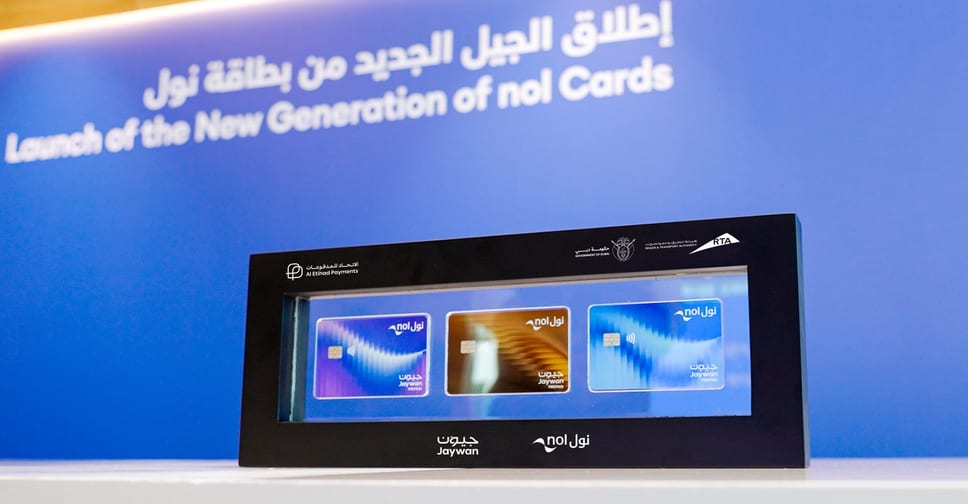 UAE unveils nol–Jaywan Cards for public transport riders