


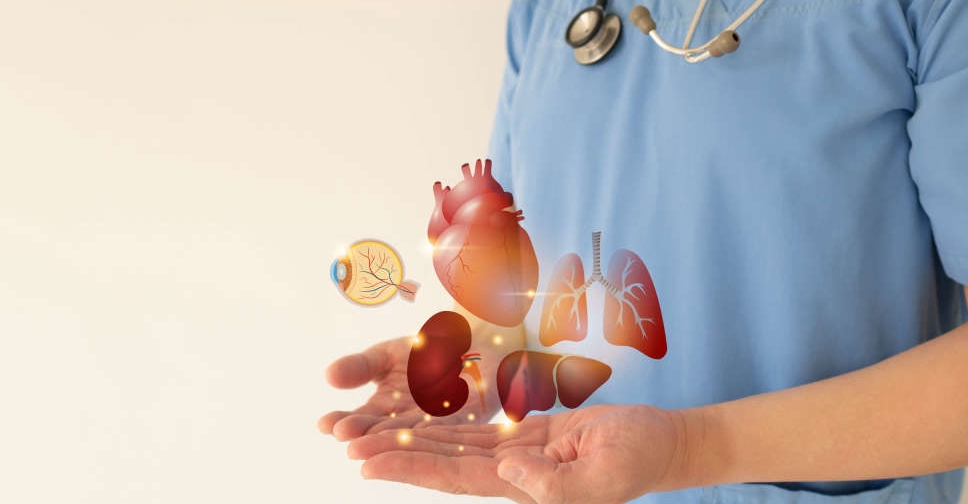
The Ministry of Health and Prevention (MoHAP) has unveiled an advanced device that keeps organs alive outside the body to ensure it remains in a stable condition until transplantation.
It's said to be a gamechanger for organ donation, aiming to improve surgical success, reduce rejection and complications and expand the transplant pool and improving patients’ quality of life.
The device mimics the human body by circulating blood or nutrient-rich solutions while maintaining appropriate oxygen levels and temperature. It also allows medical teams to monitor organ performance indicators, fluid flow, oxygenation levels, and biological response before transplantation.
The medical solution supports “Hayat,” the ministry's National Programme for Organ and Tissue Donation and Transplantation.
Dr. Amin Hussein Al Amiri, Assistant Undersecretary for the Health Regulation Sector at MoHAP, stated that the "technology extends the safe transport time of organs between cities and countries and improves preservation quality, enhancing regional and international cooperation in organ exchange".
He noted that "integrating smart perfusion devices into the services of the National Centre for Regulating Human Organ and Tissue Transplantation enhances healthcare sustainability, improves medical resource efficiency, and reduces pressure on healthcare facilities through more accurate organ assessment and improved logistical planning".
The ministry also showcased the National Genome System during a workshop held at the “Emirates Health” platform. The system represents an integrated national framework for building and analysing a genetic database to improve prevention, diagnosis, and treatment through a precision medicine approach.

 Iranian drone attack targets du company in Fujairah
 40-day conflict will not determine UAE economy's future, says minister
 One injured in debris incident at company in Abu Dhabi
 UAE responds to new wave of missile, drone threats on Monday